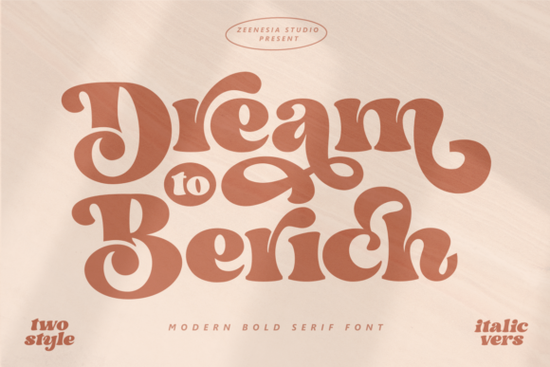
If you're searching for a serif font that balances classic structure with a contemporary edge, Dream to Berich is worth a closer look. This typeface combines elegant serifs with playful swashes, making it a versatile pick for everything from wedding invitations to product labels. Its PUA encoding means you can easily access every alternate character and decorative swoosh without needing extra software a huge time‑saver for anyone who works with custom lettering.
What makes PUA encoding so useful for designers?
PUA (Private Use Area) encoding lets font designers place extra glyphs like ligatures, alternates, and swashes in a simple‑to‑access spot. With Dream to Berich, that means you don’t have to hunt through confusing character maps. Just open the glyph panel in your design software (or use an app like Fontself or Adobe InDesign), and you’ll see all the stylistic options laid out clearly. This is especially helpful if you’re creating a logo that needs a unique letterform or a headline that calls for a flowing tail on the “R”. Instead of guessing which key combination works, you click and apply. It’s the kind of practical feature that saves you from frustration when you’re in the middle of a tight deadline.
Where can you use a serif font like Dream to Berich?
Serif fonts often carry a sense of tradition, but Dream to Berich adds a modern twist that suits a wide range of projects:
- Print‑on‑demand products – T‑shirts, tote bags, and mugs with short quotes or single words look crisp and approachable.
- Wedding and event stationery – The swashes give invitations, save‑the‑dates, and menus a hand‑lettered feel without the cost of a calligrapher.
- Small business branding – Coffee shop menus, boutique logos, or boutique signage can stand out with a distinctive serif.
- Social media graphics – Instagram quotes or Pinterest pins become more clickable when the font has personality.
- Home decor – Wall art prints, throw pillow text, or vinyl decals benefit from a font that’s readable yet decorative.
Because the swashes are built right into the font, you can mix and match them without layering separate shapes. That keeps your file size small and your editing flow fast.
How does Dream to Berich compare to other serif fonts?
Many serifs lean either strictly formal (like Times New Roman) or heavily ornamental (like a Victorian display face). Dream to Berich sits in the middle clean enough for body text in short doses, but with enough detail to lead a design. If you’ve used other stylish serifs before, you’ll notice that the letter spacing is generous, which improves legibility on screens and at smaller print sizes. The swashes are also balanced: they add flourish without crowding the word shape. For designers who work across both digital and print, that’s a real advantage.
If you’re curious about similar options, you might look at the Gibs font serif fonts collection for a more whimsical take, or check out the Sparky Dream font serif fonts if you want something with a bolder stroke contrast. For a clean, modern serif, the Ronsa font serif fonts page has a few alternatives worth comparing. And of course, you can see Dream to Berich itself on its dedicated product page to view the full glyph set.
Practical tips for using Dream to Berich in your next project
To get the most out of this font, keep a few things in mind:
- Use swashes sparingly – One or two swash letters per word (like the first or last character) adds elegance. Overdoing it can make text hard to read.
- Pair it with a simple sans serif – For a poster or social graphic, let Dream to Berich do the decorative work, and use a clean sans like Montserrat or Open Sans for subheadings or body copy.
- Test at different sizes – Swashes that look perfect at 72pt might disappear or become distracting at 24pt. Open your design software and scale the font before you finalize a layout.
- Check the kerning – While the default spacing is good, some swash variations may shift letter-to-letter distance. A quick manual adjust in your vector tool can fix any awkward gaps.
Next step: Download Dream to Berich from Creative Fabrica, open your favorite design app, and try it on a short phrase like a brand name or a quote. Add a couple of swashes, tweak the spacing, and see how it changes the look. Then use the same setting to compare with other serifs from your library. You’ll quickly feel how much versatility this font adds to your toolkit.
 Sparky Dream Font: Creative Typography Inspiration
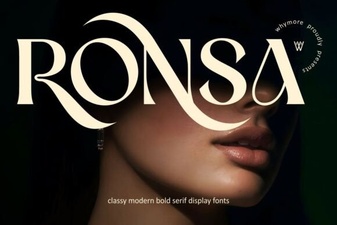 Unlocking Creativity with the Ronsa Typeface
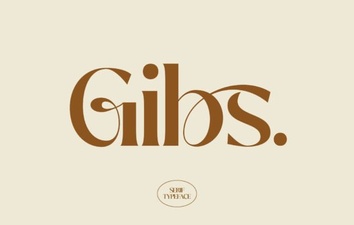 Gibs Font: a Modern Creative Typeface for Designers
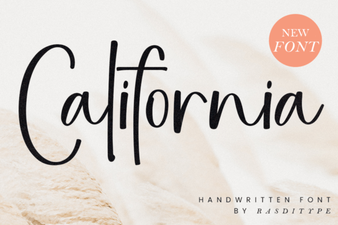 The California Font: a Guide to Design & Style
 Willow Font: Elegant Scripts for Your Creative Projects
 New Moon Font: Creative Ideas & Design Applications