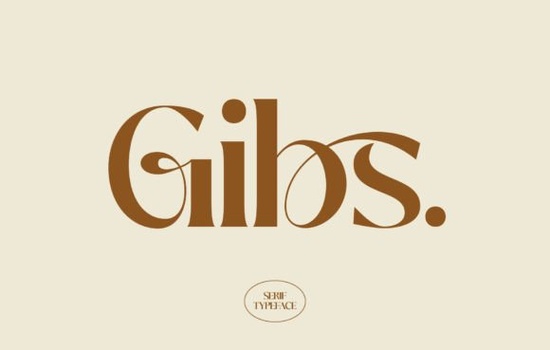
If you're looking for a serif font that feels both timeless and polished, Gibs Font is worth a close look. It's a stylish serif typeface that blends classic elegance with modern sophistication think refined serifs and well-proportioned letterforms that work beautifully for branding, editorial layouts, and luxury designs. Whether you're crafting a logo, designing a magazine spread, or building a print-on-demand product line, this font brings a sense of grace and class without feeling stuffy or outdated.
What makes Gibs Font stand out for branding projects?
Branding is all about first impressions, and typeface choice plays a huge role in how a brand is perceived. Gibs Font offers a balance that's hard to find: it's elegant without being overly decorative, and modern without being cold. The refined serifs and clean letterforms make it highly legible, even at smaller sizes, which is crucial for logos, business cards, and packaging.
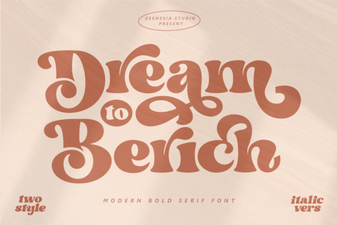
If you're working on a project that needs a touch of luxury think boutique hotels, high-end skincare, or artisanal food packaging this font delivers. Its proportions feel natural and well-considered, which helps a brand look established and trustworthy right out of the gate. For a similar classic-modern vibe, you might also want to check out Dream to Berich Font, another serif option that works well for elegant branding.
Can you use Gibs Font in editorial and print projects?
Absolutely. Editorial design whether it's a printed magazine, a digital publication, or a lookbook requires a typeface that's comfortable to read over long passages while still looking visually interesting. Gibs Font fits that brief nicely. Its letterforms have a natural rhythm that guides the eye smoothly from one word to the next, and the serifs add a subtle sophistication that elevates the overall layout.
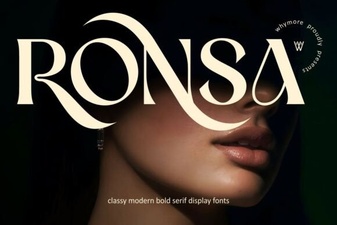
For print-on-demand sellers creating items like journals, art prints, or greeting cards, this font works well for headings and short text blocks. It also pairs nicely with simpler sans-serif fonts for a modern editorial feel. If you need a similar serif option with a slightly different personality, take a look at Ronsa Font it's another serif choice that can complement your design toolkit.
How does Gibs Font compare to other serif fonts?
There are plenty of serif fonts out there, but Gibs Font sits in that sweet spot between traditional and contemporary. It doesn't lean as heavily into decorative flourishes as some old-style serifs, but it also avoids the stark minimalism of some modern serifs. That makes it versatile enough for a wide range of applications.
For example, if you're doing a wedding invitation suite or a high-end menu, Gibs gives you that classic, elegant foundation without overpowering the content. On the other hand, for a small business looking to refresh its visual identity, it's approachable and professional. Another font worth comparing is Sparky Dream Font, which has a slightly more playful feel while still keeping a refined structure.
What kind of projects work best with Gibs Font?
Here's a quick look at where Gibs Font really shines:
- Logos and brand identities – especially for lifestyle, beauty, and luxury brands that want to convey elegance and trust.
- Print-on-demand products – think minimalist posters, quote art, notebook covers, and greeting cards where a refined serif adds value.
- Editorial layouts – magazines, brochures, or lookbooks that need a readable yet stylish body or heading font.
- Packaging design – for products like cosmetics, premium food items, or candles where the typography needs to speak quality.
- Wedding and event stationery – invitations, save-the-dates, and programs benefit from the font's timeless feel.
If you're a small business owner or a creative hobbyist, you'll appreciate how little effort it takes to make a project look polished with this font. And if you're exploring serif options, don't miss Gibs Font on Creative Fabrica to see it in action.
Is Gibs Font easy to pair with other typefaces?
Yes, and that's one of its biggest strengths. Because Gibs Font has a balanced, neutral elegance, it pairs well with a wide range of sans-serif fonts, script fonts, and even other serifs. For example, you could use it for headings and pair it with a clean sans-serif like Montserrat or Open Sans for body text. Or, for a more editorial look, combine it with a lighter, more delicate serif for contrast.
The key is to let Gibs be the anchor of your design it's strong enough to hold its own but versatile enough to play well with others. If you're building a full brand kit, this kind of flexibility saves time and keeps your designs cohesive across different mediums.
Practical checklist for using Gibs Font in your next project
Before you download and start designing, here's a quick checklist to make the most of this typeface:
- Test it at different sizes – make sure the letterforms stay clear and balanced whether you're using it large (for headlines) or small (for body text or captions).
- Check pairing options – try it with at least two other typefaces (one sans-serif, one script) to see which combinations feel most natural for your project.
- Use it in mockups – place it in a realistic setting (like a logo on a storefront or a quote on a print) to see how it reads in context.
- Consider the mood – Gibs works best for projects that need a refined, trustworthy, or elegant tone. If you're going for something casual or edgy, you might want a different choice.
- Download and license it – make sure you have the right license for your intended use (personal vs. commercial). Creative Fabrica makes this easy to check before purchase.
If you're ready to try it, Gibs Font is available now. It's a solid addition to any designer's toolkit, especially if you're looking for a serif that feels classic without being boring.
 Sparky Dream Font: Creative Typography Inspiration
 Unlocking Creativity with the Ronsa Typeface
 Dream Font: Creative Designs for Your Projects
 The California Font: a Guide to Design & Style
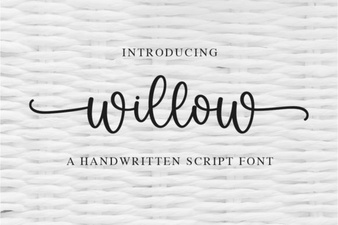 Willow Font: Elegant Scripts for Your Creative Projects
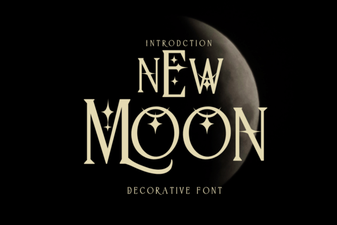 New Moon Font: Creative Ideas & Design Applications